

Latest
Story
10 December 2025
Join the Movement: Zimbabwe's Dynamic Run for Universal Declaration of Human Rights -Celebrate Human Rights Day 2025 with Purpose
Learn more
Video
10 December 2025
UN High Commissioner for Human Rights, Volker Türk Video message for Human Rights Day 2025
Learn more
Story
01 December 2025
Zimbabwe's Unyielding Fight Against AIDS Amidst Disruption
Learn more
Latest
The Sustainable Development Goals in Zimbabwe
The 2016 – 2021 Zimbabwe United Nations Development Assistance Framework (ZUNDAF), co-chaired by Government and the United Nations, is the strategic document via which UN Entities channel their support to the achievement of the SDGs in Zimbabwe.
The ZUNDAF, which comprises six result areas and fifteen outcomes is fully aligned to the SDGs. The six result areas are: Social Services and Protection; Poverty Reduction and Value Addition; Food and Nutrition; Gender Equality; HIV and AIDS; and Public Administration and Governance.
The United Nations in Zimbabwe also supports Government to conduct regular monitoring and reporting on progress towards the SDGs at national and sub-national levels.
In addition, the United Nations regularly facilitates national and local consultations and advocacy campaigns in partnership with the Office of the President and Cabinet, Government Ministries, Parliament, Development Partners, Private Sector, Civil Society Organizations, Youth Group, Media, and the Public on mainstreaming and implementation of the SDGs.
Story
15 September 2021
Youth participation, engagement in building democratic resilience
*By Åsa Pehrson and Maria Ribeiro
Six years ago, 193 UN Member States rolled up their sleeves to adopt the 2030 Agenda for Sustainable Development. The Agenda’s 17 Sustainable Development Goals (SDGs) are a global call to action to end poverty, inequality and to tackle climate change, while ensuring no one is left behind.
Although 2030 seems distant, it is less than a decade or only two electoral cycles away in many countries.
On the occasion of this year’s International Day of Democracy in Zimbabwe, the United Nations and the Embassy of Sweden have elected to commemorate Youth for Democratic Resilience. On this occasion, we call on national and local leaders to create opportunities for the youth to meaningfully participate in decision making and ensure their ownership of the SDGs, and to be part of shaping their future in Zimbabwe. With its largely youthful population, Zimbabwe could benefit from a demographic dividend though a combination of strategic investments and the adoption of supportive policy environment. Closing the gap between youth and their leaders is critical to strengthening the resilience of democratic institutions.
Achieving a robust Human Development trajectory requires an equitable and democratic development agenda that guarantees higher standards of education, nutrition, sexual and reproductive health services, health for all and a green growth strategy that balances the management of natural resources with demands of development imperatives.
Therefore, if development entails the improvement in people’s standard of living – their incomes, health outcomes, education levels, and general wellbeing – and if it also encompasses their self-esteem, respect, dignity, and freedom to choose, then the country must concentrate on addressing the underlying social, economic, and political conditions related to improving the participation of youth in democratic resilience.
Some strategies have shown to be essential in this context:
First, children and the youth participation in political discourse and democratic processes, including in multilateral fora. Many of youth in Zimbabwe have already been engaging with the United Nations and bilateral donors, including Sweden at youth-focused events, through model UN, climate action conferences, democracy talks, SDGs advocacy and other topical issues. This participation is essential to having young people’s positions and views reflected in the national development priorities.
Second, it is important to ensure the right of girls and young women to education. While education is a human right, it is also an indispensable means by which girls and young women can realise all the other rights enshrined in the Universal Declaration of Human Rights and indeed in the Zimbabwean Constitution. Levels of poverty remains stubbornly high throughout the country and have resulted in a decrease in school attendance. Young girls are especially at risk of losing their access to education as parents are more likely to send young boys to school if a choice must be made, while young girls are married of early for wealth creation. Out-of-school girls are more vulnerable to early sexual debut, teenage pregnancies, and childbearing. This in turn may result is sexual exploitation, an increased risk of HIV infection and other undesirable outcomes of sexual encounters. Denial of the right to education leads to exclusion from the labour market and marginalization into the informal sector, unpaid work, or early marriages. This perpetuates and increases women’s poverty and contributes to poor literary. According to the institute for Women’s Policy Research, graduating from high school alone increases working mothers’ earnings by over $1.60 per hour (over $3,300 per year). In contrast, each year of work experience is worth only 10 cents per hour.
Third, sexual and reproductive health rights save lives and has long been considered a key component of socioeconomic development. In 2019, 7.1% of youth between the ages of 15 and 24 were married before the age of 15. Most women who get married at a younger age are often in intergenerational marriages, thus increasing their vulnerability to poor health outcomes due to early childbearing and abuse owing to unequal power dynamics. Zimbabwe’s maternal mortality rate remains worryingly high. When women and couples are provided with adequate sexual and reproductive health information and services, including family planning, we can ensure that every child is wanted, and every birth is safe. And we can enhance youth participation, particularly that of young women and girls in the fight inequality and to end poverty.
Fourth, improved coverage and quality of health, water, and sanitation services for those who lack them would do much to reduce the burden of water-related diseases and to improve quality of life. Studies have consistently shown that improvements in water and sanitation coverage – including the implementation of low-cost, simple technology systems – can reduce the incidence of diarrhea, cholera, and other water-related diseases. Furthermore, providing water and sanitation confers multiple benefits beyond reducing water-related diseases, including alleviating the time and economic burden of having to collect water thereby also ensuring that women and girls who often bear the burden of walking long distances to fetch water are not exposed to personal security risks.
Fifth, the COVID-19 pandemic has had a deep and disproportionate impact on youth and youth entrepreneurs in Zimbabwe. Although the youth have in many cases risen to the challenge by showcasing innovative responses to the pandemic from a wide range of young social entrepreneurs, additional support is needed to survive the crisis, to multiply their impact, and to lead the way in forging an inclusive and sustainable recovery.
Finally, the more sustainable use of a country’s natural endowments-of land, energy and water is an essential part of the equation. Moving towards a more sustainable growth path, that is low carbon and climate resilient, will enable Zimbabwe to harness its vibrant and resourceful youth through engaging them in innovation and ICT to conserving its natural resource base while meeting the demands of people, so it remains a rich heritage for future generations.
Let us close on noting the aspirations of young people in Zimbabwe – today, with over 60% of the population of the country under the age of 35, investing in young people and empowering them to realize their potential, is what will drive durable peace, co-existence, inclusive society, resilient democracy, and long-term wealth creation in the country. When young people enjoy good health, including sexual and reproductive health rights, higher quality education, decent working conditions, and are allowed to express their opinions and views freely they are a powerful force for democratic, economic, and social development. Investing in young people is one of the smartest investments that any country can make.
A central premise of the work of the United Nations and Sweden’s history of supporting human rights and democracy before and since Zimbabwe’s independence are citizens’ right to participation, particularly that of young people have a critical impact on its development prospects and on the living standards of the poor. Investing in young people -- and providing both boys and girls with equal opportunities and the means to determine the number, timing and spacing of their children -- create the conditions to break out of the poverty trap and increase levels of human development. In a nutshell, a panacea for an egalitarian and resilient democratic society.
As we mark the International Day of Democracy, each one of us is an equal part of the efforts to advance freedom from want and freedom from fear. Our small individual actions, joined together, can lead to a positive change for everyone and every community.
Zimbabwe’s aspiration to becoming an equitable prosperous upper middle-income society by 2030 is dependent on the decisions that the country now makes with its youth demographic dividend.
* Åsa Pehrson is the Ambassador of Sweden and Maria Ribeiro is UN Resident Coordinator, in Zimbabwe
1 of 3
Story
24 June 2020
COVID-19 pandemic reveals investment in development reaps rewards during crisis
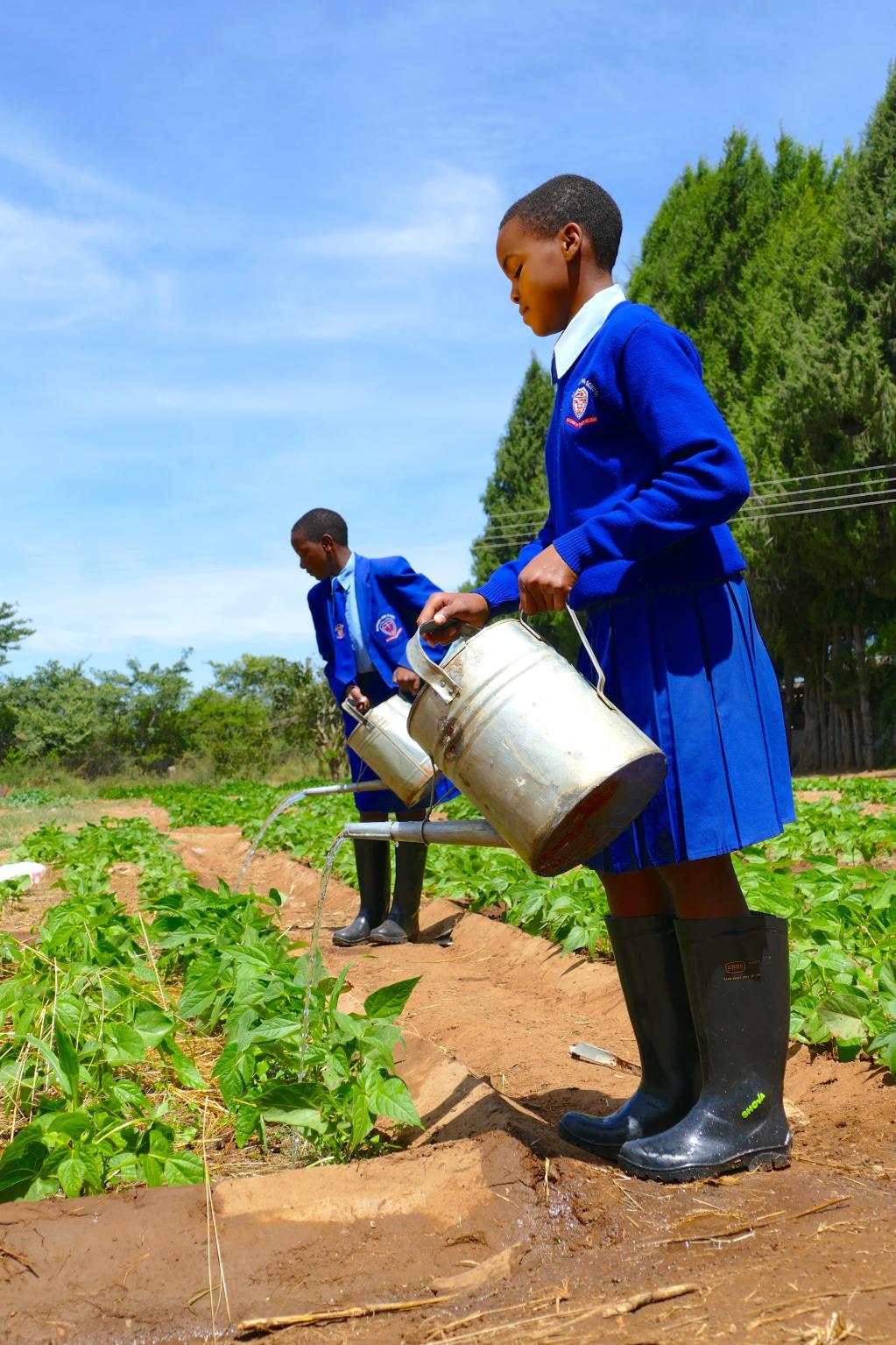
Cricensia Tshu, one of the nurses at Sipepa Rural Hospital, takes out the insulated case of vaccines from the refrigerator to prepare for the day. As with other days, Cricensia prepares to receive mothers as they bring their infants for their vaccination shots.
Two years ago, this routine activity would not have been guaranteed. Unreliable power supply, which has affected Zimbabwe and most Southern African countries, created inconsistencies in the availability of vaccines which need to maintain a cold chain from the central pharmacies in Harare to Sipepa, over 550 km away.
UNDP with support from the Global Fund and in partnership with Ministry of Health and Child Care, and the Ministry of Local Government, Rural and Urban Development, equipped 405 health facilities across the country with solar systems of varying capacity. These systems provide primary power for critical operations including in maternal theatres and wards; pharmacies for medicines and vaccine refrigeration; information systems; and night lighting in the facilities.
“The experience from our partnership with the Ministry of Health and Child Care, and Global Fund provides a platform to continuously invest in a robust health system that can adequately absorb the demand on health facilities” said UNDP Resident Representative, Georges van Montfort.
As Zimbabwe prepares for a potential surge in COVID-19 cases, the investment in 405 health facilities with solar grids will play a critical role in response to the disease. Power for medical devices, information systems and lighting will be important to contain the spread of the virus, provide care for patients and for real-time reporting of incidents across the country.
Through the Global Fund, the UN has supported the National Response Plan to COVID-19 through the procurement of Personal Protective Equipment (PPE) for frontline health workers with US$4.1 million. UNDP is partnering with the Government, other UN agencies and the private sector to engage communities on information dissemination; support youth-led business working on the COVID-19 response, and to support the informal sector. Further, options for Global Fund support to the COVID response by the health sector are also being considered.
The partnership between Government, Global Fund and UNDP to strengthen national health systems is supporting the country towards achievement of SDGs 3, 7, 8, 13 and 17: Good health and well-being, Affordable and clean energy, Decent work, Climate action and partnerships.
1 of 3
Story
24 June 2020
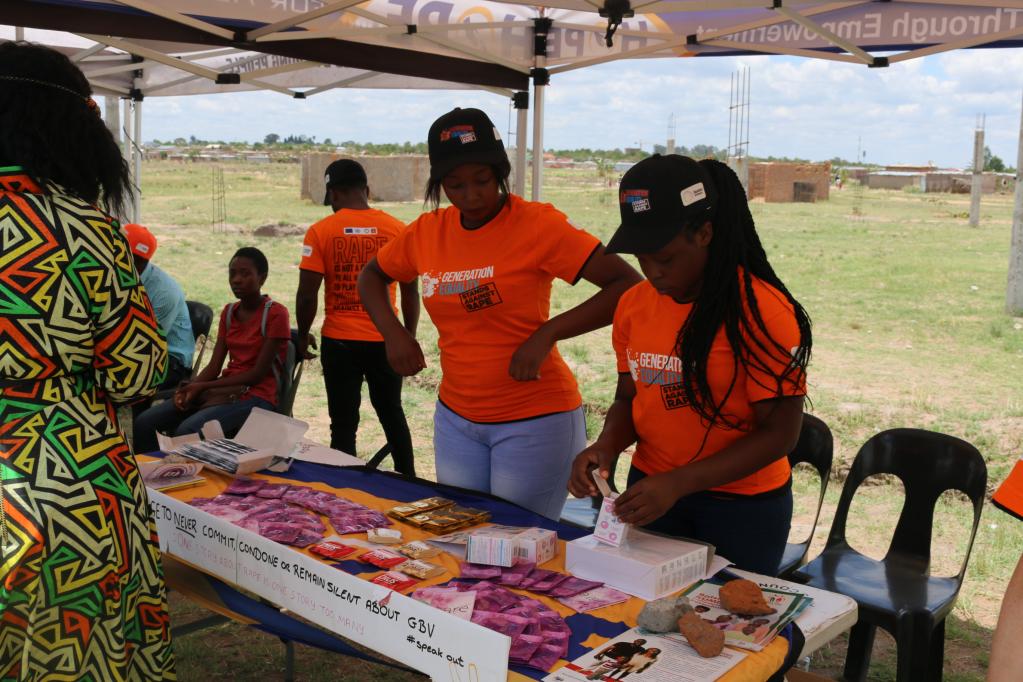
Providing services to survivors of gender-based violence during COVID-19
“Our work with Spotlight Initiative to end violence against women and advancing women’s rights is not stopping during the COVID-19 pandemic. Instead, our contribution to the fight against the COVID-19 is to ensure that we continuously monitor and bring forward cases of gender-based violence through our members,” said Director of Zimbabwe Women’s Bureau, Ronika Mumbire.
Women are largely affected both physically and emotionally while they are also at higher risk of infection as they respond to the crisis. Data from previous outbreaks’ emergency response efforts often divert resources from essential services, exacerbating ordinary lack of access to services, including pre- and post-natal health care, as well as contraceptives. UN Women Country Representative, Delphine Serumaga maintains that it is essential to address the immediate needs of women.
“Everybody thinks that the world stops just because we have Covid-19 amongst us. No! That is not true. All other essential services must continue. It is imperative to ensure that women have an escape route when they are faced with abusive situations, while other individuals who are witnessing abuse must have adequate knowledge to advise or report such situations,” she said.
Life-saving services for survivors of gender-based violence continue to be offered during Zimbabwe’s COVID-19-related lockdown, such as those offered by Bubi Shelter in Bubi district. This provides, not only shelter for survivors, but has also helps improve the reporting of cases.
As part of the nation’s COVID-19 response efforts, UNFPA Zimbabwe is working closely with civil society organizations and the Ministry of Women’s Affairs Community and Small to Medium Enterprises Development (MWACSMED) to ensure the continuation of GBV services. CSO partners include Musasa Project, Adult Rape Clinic, Family AIDS Counselling Trust, Family Support Trust, FACT, ZAPSO, ZICHIRE and World Vision.
These efforts include equipping all supported GBV facilities – static and mobile one-stop centres, shelters and safe spaces – with COVID-19 infection, prevention and control (IPC) supplies. IPC supplies include masks, gloves, thermometers, temporary isolation tents for GBV survivors with suspicious symptoms, and extra transport support as alternatives to limited availability of public transport for survivors being referred to higher levels of care. These measures are critical to ensure that survivors receive the services they need, while also mitigating against the risk of exposure to COVID-19.
As a safe haven, Bubi shelter has become a beacon of hope in the community. It shows what can be achieved when there is solidarity against the crime of violence against women and girls. The facility brings together religious leaders, councillors, and men and women from the community to discuss how to end GBV against women and girls in the community, explained Ward Councillor Mbizo Siwela.
We are very happy and grateful for the shelter as it is doing a good job in checking and supressing GBV.
“The shelter has helped bring to light the plight of the girl child through community forum meetings, where issues relating to prevention of and response to gender-based violence are shared,” he said. “We are very happy and grateful for the shelter as it is doing a good job in checking and supressing GBV. The shelter has helped improve reporting of GBV cases.”
Currently housing 15 survivors and 4 accompanying minors, the facility shelters women and girls who have experienced GBV, mostly at the hands of those who are supposed to love and protect them.
“Enduring this type of violence is not an easy experience,” said Dr. Julitta Onabanjo, UNFPA Regional Director for East and Southern Africa, during a recent visit to the shelter.
“We must ensure that perpetrators are prosecuted and that this leads to convictions. We must never allow this to happen as a community. We must also ensure that perpetrators are prosecuted and that this leads to convictions,” she said.
The majority of GBV cases registered at Bubi shelter involve adolescent girls. The facility has also emerged as a strong link in the referral system, ensuring that survivors get a comprehensive package of care. Bubi equips the survivors with skills and knowledge on how to deal with GBV, thus training them to become community ambassadors ready to help others who might potentially experience violence.
The Covid-19 pandemic has had a tremendous effect on gender-based violence due to resultant socio-economic stresses. Cases of gender-based violence have been on the rise globally, as well as in Zimbabwe.
In a normal month, the Musasa Project Call Center receives approximately 500 calls from survivors of sexual and gender-based violence. Within a week of the lockdown being enforced in Zimbabwe, however, we have received 592 calls from women and girls experiencing GBV.”
This increase in GBV cases is worrisome, but organizations such as Musasa Project are working tirelessly to ensure that women and girls receive the help and services they require to overcome abuse. For instance, Musasa Project has continued to provide safe spaces to survivors of GBV who need to seek shelter away from their abusive homes.
Through the joint global Spotlight Initiative of European Union and the United Nations is providing assistance to organizations such as Musasa Project to ensure survivors of GBV have access to quality GBV services. This support will prove to be even more critical as cases of GBV rise rapidly due to the pressures of the COVID-19 pandemic.
To report for sexual and gender-based violence, contact immediately the following toll-free hotlines available 24 hours:
Musasa Project: 08080074
Zimbabwe Women Lawyers Association (ZWLA): 08080131
1 of 3
Story
10 December 2025
Join the Movement: Zimbabwe's Dynamic Run for Universal Declaration of Human Rights -Celebrate Human Rights Day 2025 with Purpose
As we mark Human Rights Day today, we reflect on the profound principles enshrined in the Universal Declaration of Human Rights (UDHR). This day, however, resonates not just as a singular occasion but as the culmination of our collective efforts dedicated to upholding these sacred rights over the past 16 days, starting from November 25, in alignment with the 16 Days of Activism Against Gender-Based Violence.Since the dawn of this campaign, we have highlighted two articles of the UDHR each day, reinforcing our commitment to the fundamental rights that bind us as a global community. The theme "United We Stand, Human Rights Are Our Daily Essentials, No More No Less" encapsulates our shared responsibility to advocate for human rights every day of the year.Beginning on November 25, we set forth on a journey through the core values of dignity, equality, and freedom. Article 1 boldly proclaimed that "All human beings are born free and equal in dignity and rights," laying the groundwork for the rights that are essential to our existence. As we delved into Article 2, we affirmed that "Everyone is entitled to all the rights and freedoms... without distinction of any kind," a powerful reminder of our shared humanity.As we progressed through these two weeks, each article brought forth the essence of individual rights: the right to life, liberty, and security (Article 3); the protection against torture (Article 5); the importance of legal recognition (Article 6); and the right to participate in government (Article 21), to name a few. Each day’s articles served not only as a reflection of the journey we undertake but as a call to action, urging us all to recognize and advocate for these rights universally.The overarching message resonates with every individual, highlighting that human rights transcend borders, cultures, and identities. From the right to education (Article 26) to the right to participate in cultural life (Article 27), these rights are not mere words on paper; they are essential for fostering a just society where every person can thrive.On this Human Rights Day, we stand united, reinforcing the idea that the promotion of human rights is not just a seasonal endeavor but a daily pursuit. The culmination of our daily reflections reminds us that we must carry this commitment forward, advocating for those whose voices are silenced and ensuring that every individual can experience their rights fully.In conjunction with the Run for Universal Declaration of Human Rights, we call upon everyone to continue this vital work. The rights recognized by the UDHR are essential to securing the dignity and wellbeing of all people, and with unity and perseverance, we can make a difference every day.As we honor Human Rights Day, let this be a reminder that the fight for human rights is unending. We must stand together, proclaim loudly and clearly that human rights are our daily essentials, for everyone and everywhere. Let us continue to run, not just today but throughout the year, encouraging and empowering each other to promote and uphold these universal rights. Together, we can ensure that they are recognized, respected, and realized across the globe.So, join us in this movement; let’s put our values into action as we celebrate human rights today and every day. Watch the video on the run for #UDHR: https://www.facebook.com/share/v/17oLaEkdXk/?mibextid=wwXIfr #HumanRightsDay #UnitedWeStand
1 of 5

Story
01 December 2025
Zimbabwe's Unyielding Fight Against AIDS Amidst Disruption
The air at Mzingwane High School in Matabeleland South Province was thick with both remembrance and resolve as community leaders, health officials, and international partners gathered for World AIDS Day. Under the global theme, "Overcoming disruptions, transforming the AIDS response," the event served as a powerful testament to Zimbabwe's remarkable journey in the fight against HIV, even as new challenges threaten to unravel decades of progress.At the heart of the day's address was Ms. Etona Ekole, the UN Resident and Humanitarian Coordinator ad interim and UNICEF Representative, whose words resonated with urgency, gratitude, and an unwavering commitment to the human spirit. "Today, we gather to remember lives lost, celebrate lives saved, and, crucially, to renew our collective commitment to ending the AIDS epidemic by 2030," Ms. Ekole declared, her voice carrying across the attentive crowd. "This is a moment to acknowledge real, hard-won progress."Indeed, the statistics shared by Ms. Ekole painted a picture of remarkable achievement. Globally, new HIV infections have plummeted by 40% since 2010, and AIDS-related deaths have more than halved. In Zimbabwe, the strides have been particularly impressive. "Here in Zimbabwe," she said, "the UN has proudly partnered with the Government, communities, and people living with HIV. We support over 1.1 million people consistently on life-saving antiretroviral therapy."These efforts have allowed countless individuals, like Maria Ncube (a pseudonym), a 35-year-old mother of two from a nearby village, to reclaim their lives. Diagnosed with HIV over a decade ago, Maria once faced a grim future. Thanks to consistent access to antiretroviral treatment (ART) and the support of village health workers, she now runs a small thriving market stall and actively participates in her local support group. "My children are healthy, and I am healthy," Maria shared quietly, her eyes reflecting both resilience and gratitude. "The medication gave me back my life. It gave my children their mother."However, Maria's journey, and that of millions like her, was nearly jeopardized earlier this year. Ms. Ekole candidly addressed the "significant shocks in AIDS financing" that rocked the global response at the beginning of 2025. "With over 80% of the funding for Zimbabwe's HIV response traditionally coming from external sources, primarily the US Government and the Global Fund, shifts in geopolitical tectonics led to significant shocks in AIDS financing," she explained. The temporary pause in HIV-related funding by a major donor plunged the response into a crisis."Clinics were forced to shut their doors, essential frontline health workers' functions were paused, and community programs reaching the most vulnerable stopped," Ms. Ekole recounted, her expression serious. "These disruptions had severe potential unintended consequences: a rebound in new HIV infections, an increase in AIDS-related mortality, increased resistance to available treatments, and reduced ART coverage." For individuals like Maria, this meant agonizing uncertainty, a fear that the life-saving treatment she relied on might suddenly become unavailable.Yet, from the brink of crisis, Zimbabwe’s spirit of innovation and self-reliance shone through. Ms. Ekole paid profound tribute to the foresight of the Government of Zimbabwe for institutionalizing the "AIDS Fund," effectively recalibrating the well-known AIDS Levy. "This fund has been instrumental in plugging gaps created by these shifts in funding architecture, serving as a model for other countries," she stated, highlighting its crucial role in preventing widespread catastrophe. She also commended the Ministry of Health and Child Care for their "outstanding leadership" in spearheading a proactive national response, recognizing that "external donor support is not a permanent solution."The development of an HIV Sustainable Financing Roadmap, with Part A completed in 2024 and Part B nearing finalization, further exemplifies this commitment to long-term solutions. "I also profoundly salute the communities who have anchored the HIV response with passion, compassion, empathy, and volunteerism, even in the face of unprecedented changes to the funding architecture," Ms. Ekole added, acknowledging the unsung heroes at the grassroots.Despite the recent challenges, Zimbabwe stands tall in its achievements. "New HIV infections declined by 80% between 2010 (76,000) and 2025 (15,000)," Ms. Ekole revealed. "Over the same period, AIDS-related deaths decreased by 78%, while ART coverage soared from 26% in 2010 to 95% in 2025." Zimbabwe is now one of only eight countries globally to achieve and surpass the UNAIDS 2025 targets of 95-95-95, a critical milestone towards ending AIDS as a public health threat.However, Ms. Ekole cautioned against complacency. "Despite these commendable achievements, the HIV epidemic persists stubbornly," she noted, pointing to an adult HIV prevalence rate of 9.8% in 2025, placing Zimbabwe among the top 10 high HIV burden countries in the East and Southern Africa region.Her remarks highlighted the path forward, emphasizing three profound truths that must guide the future response. "First, behind every statistic is a person with hopes, family, and dignity," she asserted. "Second, the people most affected are the experts of their own lives and must lead the response. And third, bold systems change—not just program tweaks—is required to end AIDS as a public health threat."This human-centered approach means bringing care directly to people where they live and work, integrating essential services like mental health and gender-based violence support into HIV care. The recent funding disruptions, ironically, spurred innovations such as multi-month dispensing, community drug distribution, telehealth counseling, and HIV self-testing – all of which Ms. Ekole urged be scaled and institutionalized. "HIV thrives where inequity, exclusion, and violence persist," she stated, calling for renewed efforts to tackle poverty, gender inequality, and criminalization.As part of the World AIDS Day, on the eve of World AIDS Day, a poignant gathering unfolded as Ms. Etona Ekole, the Acting Resident and Humanitarian Coordinator and UNICEF Representative, stood alongside the Honourable Dr. Douglas Mombeshora, the Minister of Health and Child Care, and local authorities at the National HIV Candlelight Memorial. The soft glow of candles illuminated the night, each flame a symbol of hope and remembrance, but also a solemn reminder of the ongoing battle against AIDS.“As we lit the candle of hope,” Ms. Ekole declared, “we were reminded that AIDS is not over. Too many children are still missing out on treatment. We cannot be complacent — we must act with urgency for every child.” Her words resonated deeply with attendees, emphasizing the fight to ensure that every child has access to the care they need in this ongoing epidemic. As the night wrapped around the gathering, it became clear that the candlelight memorial was not just a tribute to those lost, but a rallying cry to continue the work still ahead.Meanwhile, in an act of solidarity and renewal, Ms. Ekole also took part in a tree-planting ceremony at Mzingwane High School, a gesture symbolizing both growth and hope for future generations. Each tree planted served as a commitment not just to the fight against HIV/AIDS, but to a brighter, healthier future for the children and youth of the community. Looking ahead, Ms. Ekole issued a rallying call for sustainable financing, emphasizing the critical role of domestic investment and the efficient use of funds. While commending the Government of Zimbabwe's commitment to health in the 2026 National Budget, she acknowledged the projected 30% drop in overall development assistance for 2026. "This underscores the urgent need for increased local investment and efficient use of funds, while international partners must continue mobilizing predictable resources." Ms. Ekole expressed her gratitude to the US Government for its recent announcement of renewed support for the HIV response, a critical lifeline in the ongoing fight against the epidemic. She implored donor partners to continue their support, warning, "Disrupting HIV services risks reversing the gains achieved over the past four decades." Ms. Ekole cautioned, emphasizing the fragility of progress made and the urgent need for continuous support to safeguard the health and well-being of communities affected by HIV. Her remarks served as a stark reminder that the fight against this persistent challenge requires consistent dedication and collective action from all stakeholders involved."Let us make history by ensuring Zimbabwe ends AIDS as a public health threat by 2030 because we acted swiftly and with unity of purpose," Ms. Ekole concluded, her words imbued with both urgency and optimism. "Overcoming disruptions is not simply restoring the status quo. It is an opportunity to redesign our systems so that the next shock does not undo our progress."As the event drew to a close, Maria Ncube, among the many faces in the crowd, felt a renewed sense of hope. Her personal journey, once precarious, now seemed anchored by the collective commitment articulated by Ms. Ekole. The future of the AIDS response in Zimbabwe, though still challenging, is being redefined not just by statistics and policies, but by the unwavering spirit of its people and the resolute determination to leave no one behind. "Ending AIDS as a public health threat by 2030 is within our grasp," Ms. Ekole reiterated, "It demands urgency, solidarity, commitment, and courage. Let us get the job done.”
1 of 5

Story
27 November 2025
Zimbabwe Sets Bold Course to Inclusive Prosperity with NDS 2 by 2030
In a pivotal moment for Zimbabwe’s future, His Excellency President Emmerson Dambudzo Mnangagwa today officially launched the National Development Strategy 2 (NDS 2) for the period 2026-2030 at State House, Harare. This over 600-page comprehensive blueprint is set to guide the nation's journey towards an empowered and prosperous upper middle-income society by 2030, building on the foundations laid by its predecessor, NDS 1. The launch was met with endorsement from the United Nations, with Mr. Edward Kallon, the UN Resident and Humanitarian Coordinator, affirming the UN’s unwavering support.The ceremony brought together a distinguished array of dignitaries, including Vice President Retired General Dr. C.D.G.N. Chiwenga, Minister of Finance, Economic Development and Investment Promotion Honourable Professor Mthuli Ncube, and other Cabinet Ministers, Chief Secretary to the President and Cabinet Dr. Martin Rushwaya, senior government officials, as well as representatives from the Diplomatic Corps, UN, development partners, civil society, and industry. The atmosphere was one of palpable optimism and collective resolve for the nation's strategic direction.President Mnangagwa, in his keynote speech, underscored that NDS 2 is a product of extensive, broad-based national consultations, embodying the voices, hopes, and aspirations of all Zimbabweans. He lauded the "unity of purpose and focus" demonstrated by stakeholders across Ministries, Departments, and Agencies during its formulation, emphasizing the guiding principle of inclusivity and the national mantra of "leaving no one and no place behind."“Well done, Makorokoto. Amhlophe,” the President commended, acknowledging the diligent work. He further said that the strategy aligns with the national development philosophy: “Nyika inovakwa, inotongwa, inonamatigwa nevene vayo/Ilizwe lakhiwa, libuswe, likhu-le-ke-lwe ngabanikazi balo” (A country is built, governed, and prayed for by its people), signifying a commitment to self-reliance and shared responsibility.Mr. Edward Kallon, UN Resident and Humanitarian Coordinator echoed this sentiment, expressing profound gratitude for the Government of Zimbabwe's "exemplary and open engagement." He highlighted the "comprehensive and inclusive approach" with extensive consultations, including in-person meetings in Kadoma and subsequent engagements that gathered inputs from diverse groups: bilateral and multilateral development partners, captains of industry, civil society, NGOs, youth, traditional and religious leaders, and crucially, persons with disabilities. This "Whole Government and Society" approach, Mr. Kallon noted, ensures the blueprint truly reflects national aspirations.Pillars of Progress: The 10 National Priorities. President Mnangagwa detailed the ten overarching objectives that form the bedrock of NDS 2, designed to foster socio-economic transformation across all sectors:Macro-economic Stability: Sustaining a predictable environment for investment, innovation, productivity, and resilience, while deepening the financial sector for resource mobilization and financial inclusion.Economic Transformation: Shifting from a primary commodity-based economy to a diversified, broad-based, modern upper middle-income country through accelerated value addition and beneficiation.Infrastructure Development: Building a strong, modern, and resilient infrastructure backbone (energy, transport, ICT, water, sanitation, housing) to support productivity and sustainable socio-economic development.Agricultural Productivity and Food Security: Increasing agricultural output for food and nutrition security, promoting sustainable agro-processing value chains, strengthening climate resilience, and environmental sustainability.Science, Technology and Innovation: Promoting human capital development for a knowledge-driven, digitally enabled economy.Devolution and Decentralization: Strengthening these principles to promote equitable and inclusive national development.Job Creation and Empowerment: Accelerating job creation, youth development, entrepreneurship, and growing the sport, creative, and cultural industries.Social Development: Enhancing universal access to quality health, education, and other social services.Brand Zimbabwe and International Relations: Strengthening international relations, attracting foreign direct investment, promoting tourism, and advancing diplomatic and trade development.Good Governance and Security: Consolidating unity, peace, and social cohesion through robust governance and security institutions.These priorities, the President stated, are meticulously aligned with regional, continental, and global development frameworks, including the SADC Regional Indicative Strategic Development Plan, African Union Agenda 2063, and the United Nations Sustainable Development Goals.Mr. Kallon affirmed the UN's commitment, stating, "The United Nations firmly believes that this National Development Strategy 2 is a robust national blueprint that we are proud to align with." He confirmed that NDS 2 will form the bedrock for both the current Zimbabwe-UN Cooperation Framework (ending 2026) and the upcoming Zimbabwe UN Sustainable Development Cooperation Framework (2027-2030).Highlighting past support, Mr. Kallon revealed that the UN has disbursed an average of $500 million annually over the past three years, totaling a remarkable $1.5 billion by early 2025, in support of NDS 1, showcasing a tangible commitment to Zimbabwe’s development aspirations.Going forward, the UN Resident and Humanitarian Coordinator outlined critical areas for effective NDS 2 implementation:Financing Framework: Developing a comprehensive multi-year financing framework beyond the national budget, exploring diverse sources like thematic bonds, climate financing, and domestic/regional/global resources.Debt and Arrears Resolution: Emphasizing that resolving ongoing discussions on debt and arrears is paramount to unlocking vital new financing avenues.Communication Strategy: Implementing a robust media, communications, and publicity strategy with a costed action plan to mobilize communities and foster widespread understanding and ownership.Coordination Mechanisms: Enhancing development coordination at national, thematic, and sectoral levels, supported by regular and predictable scheduling.Partnership Strengthening: Revamping the Development Partners Policy Dialogue to facilitate effective and efficient implementation.The United Nations System in Zimbabwe congratulated the Government of Zimbabwe on the launch of the NDS 2 as a landmark achievement, crediting it to exceptional leadership and broad-based collaboration. The UN Resident and Humanitarian Coordinator in his vote of thanks congratulated His Excellency President Dr. E.D. Mnangagwa for his visionary guidance and paid tribute to Dr. Martin Rushwaya, Chief Secretary to the President and Cabinet, and the entire OPC team for their tireless work. Special recognition was also given to Finance, Economic Development, and Investment Promotion Minister Hon. Prof. Mthuli Ncube, his team, the Permanent Secretaries, and the Governor and staff of the Reserve Bank of Zimbabwe for co-chairing the wide-ranging consultations across the strategy’s ten priority areas. The UN Resident Coordinator further acknowledged the substantive input and financial support from UN agencies and the consistent engagement and technical and financial contributions of the Zimbabwe Development Partners Forum. “Together,” Mr. Kallon affirmed, “we can and will realize the ambitious goals of NDS 2 — steering Zimbabwe toward its 2030 vision of becoming an upper middle-income society while fulfilling the 2030 Agenda for Sustainable Development, AU Agenda 2063 and the SADC Regional Indicative Strategic Development Plan.”President Mnangagwa officially launched the NDS 2 with a call to action: "I call upon all the people of our motherland, Zimbabwe, inclusive of development partners, to put shoulder on the wheel and rally behind this transformational National Development Strategy 2." He highlighted the potential of leveraging domestic resource endowments, the hardworking nature of the people, the ingenuity of the youth, and the invaluable role of the diaspora, asserting that "nothing in this Plan is impossible."With NDS 2 officially launched, Zimbabwe embarks on a new chapter, driven by a clear vision, inclusive participation, and strong international partnerships. The ambition is high, the blueprint is comprehensive, and the collective resolve to achieve an upper middle-income society by 2030 is stronger. President Mnangagwa declared, "A brighter and more prosperous future is certain." The NDS2 document is available HERE
1 of 5

Story
24 November 2025
Turning the Tide, Zimbabwe’s Push to End Gender-Based Violence in a Digital Age
24 November 2025, Harare — Urgency and determination marked the national Gender Based Violence Symposium and the launch of the 16 Days of Activism against Gender-Based Violence (GBV) on 22 November at the Harare International Conference Centre. Government leaders, diplomats, UN representatives, development partners, civil society, traditional and religious leaders, and survivors convened at the National Gender Based Violence Symposium to assess progress, confront emerging threats and map a coordinated path forward — with particular focus on the digital sphere.Framed by the rallying call “UNite to end digital violence against all women and girls,” the symposium opened with a recorded keynote by His Excellency Dr. Emmerson D. Mnangagwa, President of the Republic of Zimbabwe. The President acknowledged gains while stressing unfinished work, “We are determined to realize an environment that is just and free of Gender Based-Violence for women, men, girls and boys… the High-Level Political Compact, policies and frameworks to end gender-based violence and protect women’s rights are all aligned to our National Development Strategies towards Vision 2030.” He highlighted legal and policy advances, including the National GBV Response and Prevention Strategy (2023–2030) and efforts to mainstream gender across government, but conceded that “much more needs to be done.”Speakers placed Technology-Facilitated Gender-Based Violence (TFGBV) at the center of national concern. Mr. Edward Kallon, UN Resident and Humanitarian Coordinator, described digital violence as “real violence,” noting harms that reverberate offline — mental health impacts, economic exclusion, silencing of journalists and political actors, and erosion of civic participation.Recent data underline the scale and character of the problem. A 2025 UNESCO/MISA report found 63% of women journalists in Zimbabwe had experienced TFGBV. A national survey by Emthonjei Women’s Forum reported 75% of respondents had faced digital abuse in the past year, with more than half of perpetrators strangers and platforms like Facebook and X commonly cited. Patterns vary by age: children and adolescents face grooming, child sexual abuse material and technology-enabled child marriage; adolescent girls encounter harassment that affects schooling and social life; adult women endure workplace harassment and intimate-partner digital abuse; older women are vulnerable to financial and caregiving-related exploitation.Policy progress, including laws, strategy and institutions Zimbabwe’s policy environment has made meaningful advances. The Cyber and Data Protection Act criminalizes forms of TFGBV — online harassment, image-based abuse and cyberbullying — and provides measures for investigation and handling digital evidence. The National Strategy to Prevent and Address GBV (2023–2030) explicitly recognizes TFGBV as an emerging issue, and the government has established a High-Level Political Compact (HLPC) to coordinate GBV efforts across sectors.At the launch, Deputy Minister Jennifer Mhlanga framed GBV as both a human-rights and an economic crisis, citing a government-commissioned economic costing study — conducted with the World Bank, UNFPA and NYU— whose preliminary findings underscore how the economic cost of GBV, 3.87% of the GDP, has a significant impact on the national economy. It drains household incomes, reduces labour productivity, increases health and social service costs and impedes national development — making investment in prevention and response a fiscal as well as moral imperative. Despite progress, persistent gaps were highlighted:Underreporting and weak data systems has made GBV, including TFGBV, remains poorly measured in many national surveys. ZIMSTATS is introducing a TFGBV module, but data collection, analysis and use must be expanded.Enforcement and access to justice with existing laws and robust policy frameworks, yet implementation, prosecution and survivor-centred processes are inconsistent across provinces.Funding shortfalls requiring for sustained domestic financing are limited; prevention and multi-sectoral response services remain donor dependent.The need for an accountability platform and digital literacy. Private technology platforms often lack locally appropriate redress and moderation; digital safety education is insufficiently scaled.Addressing social norms and harmful practices in line with legal and policy frameworks. Deep-rooted gender norms continue to enable violence and limit women’s leadership and economic opportunities, requiring consistent alignment of norms and legal frameworks.Financing, innovations and partnerships Speakers urged diversified financing. Under the EU and SDC funded UN Joint programme ‘Sustaining the Gains’, the UN and partners committed to build on the economic cost study to build a comprehensive GBV Investment Case including financing models.The symposium spotlighted private-sector and civil-society efforts, including the ‘We Are One Fund’ led by the Sivio Institute to mobilize Zimbabwean-led resources for survivors and community-led responses.Frontline workers and survivors’ advocates stressed gaps in evidence collection and the emotional toll of support work, underscoring the need for training in digital evidence handling and survivor-centred care.What’s working:Multisectoral coordination under the National GBV Response and Prevention Strategy is improving referral pathways between health, justice, social services and shelters in some provinces.Legal reform, including the Cyber and Data Protection Act and other GBV-related statutes, provides tools to pursue online abusers.Data momentum with ZIMSTATS’ planned TFGBV module and the economic-costing study are important steps toward evidence-based policy advocacy.Community engagement with traditional leaders, religious institutions and women’s coalitions increasingly support prevention and survivor reintegration in some areas.Priority actions going forward Delegates converged on urgent priorities:Scale and sustain survivor-centred services (health, psychosocial, legal aid, shelters) with stable domestic financing.Strengthen enforcement by capacitating police, prosecutors and the judiciary to handle TFGBV and digital evidence sensitively and effectively.Expand data systems for regular GBV measurement and reporting; use economic-costing evidence to advocate for budget allocations.Boost platform and private-sector accountability through negotiation mechanisms for faster takedown, data preservation for investigations, and local moderation capacity.Mainstream digital safety education into school curricula, workplace codes and community training.Invest in prevention by shifting resources upstream to social norms change, community mobilization, and programmes engaging men and boys.A cautious but resolute outlook Zimbabwe’s GBV response is at a pivotal moment. Legal frameworks, national strategies and political commitment are stronger than in past decades; alignment of GBV action with Vision 2030 signals intent to integrate gender justice into national development. Yet technology-enabled violence exposes vulnerabilities in data, enforcement and resources.Progress requires sustained political will, sufficient funding, private-sector cooperation, reliable data, and the input of survivors and frontline workers. Stories from UN-supported programs, including one-stop centers, demonstrate how coordinated support helps survivors reclaim safety, seek justice, and rebuild livelihoods — and underscore that complacency is unaffordable: every unresolved case erodes dignity, potential, and national prosperity. “We must recommit, act, invest and maintain solidarity,” UN Resident Coordinator Edward Kallon urged delegates, calling for solidarity to be translated into laws enforced, budgets allocated and communities transformed. If Zimbabwe meets this moment with sustained, multi-sectoral action, the 16 Days of Activism can be a catalyst for measurable reductions in violence and a tangible expansion of rights, safety and opportunity for women and girls across the country.Ms. Lourdes Chamorro, Chargé d’affaires and Deputy Ambassador of the Delegation of the European Union to the Republic of Zimbabwe, reaffirmed the EU’s commitment and detailed its support. “On behalf of the European Union, I am honoured to join you today for this important national commemoration of the 16 Days of Activism Against Gender-Based Violence,” she said, calling the event “a moment to stand together, honour the courage of survivors, and reaffirm our shared commitment to a Zimbabwe and a world free from violence.”Ms. Chamorro commended Zimbabwe’s constitutional and legislative advances — citing the Domestic Violence Act, the National GBV Strategy and the High-Level Political Compact — and welcomed the President’s declaration of GBV as a national emergency. She emphasized the EU’s own frameworks, including the Istanbul Convention, the EU Gender Equality Strategy and the 2024 Directive on Violence Against Women and Domestic Violence, as instruments advancing prevention, protection and prosecution.Highlighting Team Europe’s investments, she noted that the EU, its Member States and institutions, joined by Switzerland under the Team Europe Initiative on Gender Equality and Women’s Empowerment, “have collectively committed more than €300M towards advancing gender equality and women’s empowerment between 2021 and 2027.”She introduced the newly signed Sustaining the Gains programme (October 2025), jointly funded by the EU and Switzerland with a budget of USD 4.5 million, implemented with the Ministry of Women Affairs and four UN agencies. The programme aims to consolidate and scale up Spotlight Initiative gains — from equipping the forensic laboratory at ZRP Headquarters to strengthen evidence collection in rape cases, to supporting the enactment of the Marriages Act, establishing Safe Markets in Epworth and Umzingwane, and expanding national GBV hotlines.On the economic-costing study, Ms. Chamorro stressed its significance by quantifying the financial burden of violence — “from healthcare and social services to absenteeism, reduced productivity, high staff turnover, and legal costs” — the study moves the conversation beyond moral duty to economic reality. “For policy makers and the private sector alike, the message is clear, the cost of inaction far exceeds the cost of prevention,” she said, underscoring global and regional figures she cited: the World Bank’s estimate of losses up to 3.7% of GDP due to violence against women, and the EU’s annual cost estimate of EUR 289 billion.Addressing digital threats, Ms. Chamorro affirmed that “digital spaces should expand possibility, not reproduce inequality.” She warned that online harassment, cyberstalking, doxing, non-consensual sharing of intimate content, disinformation and incitement disproportionately affect women and girls, and that online abuse often spills into real-world harm. The EU’s commitment, she said, includes support for accountability mechanisms, helplines, digital literacy and strengthened reporting channels, working in partnership with government, UN agencies and civil society.Ms. Chamorro called for a broad coalition, “Ending GBV — whether at home, in communities, workplaces, or online — requires all of us. Government, development partners, civil society, the private sector, traditional and community leadership, parents, youth, and individuals, we must all play our part.” She urged safeguarding gains, pushing back against rollbacks in gender equality, prioritizing prevention, protection and justice, and recognizing that advancing women’s rights is “not only morally right — it is smart economics.” She wished delegates productive discussions and a successful validation of the economic-costing study, while reaffirming the EU’s readiness to continue supporting Zimbabwe’s efforts to end violence against women and girls in all its forms. "The national launch of the 16 Days of Activism is a critical moment to confront the emerging crisis of digital violence and reinforce the urgency of our national response. The preliminary findings from the economic costing study - which UNFPA was proud to support - is clear: Gender-Based Violence is not only a human rights crisis, but an economic drain that impedes development. We must treat investment in prevention and survivor-centred services as both a moral and fiscal imperative for national development,” said UNFPA Representative Ms. Miranda Tabifor.As delegates at the Harare symposium emphasized, progress will depend on sustained political will, adequate financing, private-sector cooperation, quality data and the voices of survivors and frontline actors. They also underline why Zimbabwe cannot afford complacency as every unaddressed case is a loss of dignity, potential and national prosperity.“We must recommit, act, invest and maintain solidarity,” the UN Resident Coordinator Mr. Edward Kallon called on delegates, echoing a wider chorus. Ending GBV in Zimbabwe — online and offline — will require that solidarity translated into laws enforced, budgets allocated and communities transformed.If Zimbabwe meets this moment with sustained, multi-sectoral action, the 16 Days of Activism will remain more than a calendar event; it will be a catalyst for measurable reductions in violence and a tangible expansion of rights, safety and opportunity for women and girls across the country.
1 of 5

Story
31 October 2025
Zimbabwe Marks UN80 with Calls for Reform, Climate Finance and Stronger Partnerships
More than 250 diplomats, development partners, civil-society leaders and young changemakers gathered to mark 80 years of the United Nations under the theme “Better Together: 80 Years and More for Peace, Development and Human Rights.”The event blended appeals for renewed multilateralism, international cooperation and justice with calls for inclusion and stronger partnerships, closing on a celebratory note as Feli Nandi and her band turned reflection into a vibrant tribute to eight decades of service to people and the planet.In a keynote that doubled as tribute and blueprint, Honourable Professor Dr. Amnon Murwira, Minister of Foreign Affairs and International Trade, said Zimbabwe’s foreign policy is rooted in its Constitution and a people-centred “Doctrine of Foreign Relations and International Trade,” encapsulated by the maxim “A Friend to All and Enemy to None.” He argued diplomacy should be judged by its tangible benefits to citizens.Using the UN’s eight-decade history, Honourable Murwira pressed for a UN “match fit” for climate shocks, digital disruption and proliferating conflicts; a reformed, inclusive international financial architecture to close the SDG financing gap; and Security Council reform that gives Africa rightful representation. He urged operationalizing the Pact for the Future through finance, technology transfer and predictable partnerships, reiterated Zimbabwe’s support for the Paris Agreement and the principle of Common But Differentiated Responsibilities, and called on developed countries to honor climate finance pledges and support concessional finance and de‑risking instruments.The Minister set a development agenda tied to national priorities, including trade and investment, technology transfer, climate‑smart agriculture, renewable energy, water infrastructure, social protection, and empowerment of women, youth and persons with disabilities — framing these as the practical outcomes diplomacy must deliver.In a video message on UN Day, UN Secretary‑General António Guterres said “We the peoples” is a living promise of the UN Charter and urged unified action, saying now is no time for timidity in addressing crises no nation can solve alone. UN Resident and Humanitarian Coordinator Edward Kallon highlighted UN achievements from smallpox eradication to peacekeeping and humanitarian reach, while warning that shrinking resources threaten services. He noted humanitarian appeals and assessed contributions are falling short, putting clinics, rations, education and protection for the most vulnerable at risk.Mr. Kallon showcased Zimbabwe as a model of UN partnership with 25 UN entities delivering more than half their programmes through joint programmes and joint initiatives, over USD 1.5 billion in combined contributions across four years, blended financing that helped unlock a US$100 million renewable energy fund, and a new cooperation framework (2027–2030) aligned with Zimbabwe’s Second National Development Strategy. He framed UN80 and the renewal agenda as a push for efficiency and joined‑up delivery, stressing that reform needs predictable political will and timely financing from Member States.Ambassador Per Lindgärde of Sweden described his country a staunch defender of multilateralism and human rights, invoking Sweden’s diplomatic heritage from Dag Hammarskjöld to current commitments on gender equality and the UN system. Warning that UN Charter principles — sovereign equality, peaceful dispute resolution, and the prohibition of force — are under strain, he urged states to uphold them.His Excellency Lindgärde advocated for a stronger, fairer Security Council with both new permanent and non‑permanent seats, including for African representation. He stressed defending international law and the Charter as pragmatic necessity for global security. On current crises, he urged robust support for Ukraine’s sovereignty, guaranteed humanitarian access in Gaza, and greater international focus on emergencies such as Sudan.He cited Sweden’s long‑term financial commitment in Zimbabwe — an average annual contribution around SEK 300 million (roughly USD 32 million) — as an example of bilateral support that strengthens UN efforts on the ground. Sweden’s work in Zimbabwe focuses on protecting democracy, human rights, gender equality and the rule of law; promoting inclusive economic development; and building environmental resilience to climate change, while seeking stronger links between development cooperation, the private sector and trade.Youth and disability inclusion brought personal urgency to the discussions. Ms. Pauline Mapfumo, a UNICEF UN Volunteer with the UNited 4 Youth Inclusion Programme, said young people must be partners in policy design, not passive recipients, and highlighted youth placements in UN agencies as turning energy into contributions in nutrition, community engagement and programme design. She called for mentorship and institutional spaces to scale youth engagement.Mr. Lordwin Rimire, speaking for young people with disabilities, acknowledged UN technical support and progress but stressed data underreporting, youth unemployment is estimated at about 37 percent, and people with disabilities face compounded barriers in education, transport and work. He demanded better disaggregated data, meaningful participation (“nothing about us without us”), accessibility built into infrastructure and services, and pathways to decent work via inclusive training and private sector engagement, arguing inclusion is dignity, efficiency and national development.Speakers repeatedly linked solidarity, national ownership, regional and global cooperation. The Government of Zimbabwe reaffirmed solidarity with peoples seeking self‑determination, including Palestine and Western Sahara, and opposed unilateral coercive measures Honourable Murwira reiterated Zimbabwe’s peacekeeping pedigree and announced the country’s candidature for a non‑permanent Security Council seat for 2027–2028, pledging to bring regional perspectives on conflict prevention, human security and inclusive recovery.Regional integration, South‑South and triangular cooperation, and scaling finance for development — including catalytic blended finance — featured across remarks. Mr. Kallon and Honourable Professor Dr. Murwira emphasized strong partnerships that create jobs, strengthen value chains and build resilience to climate shocks through green skills, energy access and water infrastructure.Mr. Kallon outlined timelines and institutional arrangements for the next Zimbabwe UN Sustainable Development Cooperation Framework (2027–2030): an eleven‑month participatory process, alignment with NDS II, a strengthened Joint Steering Committee co‑chaired by the Chief Secretary and the UN Resident Coordinator, and deliverables timed to early and mid‑2026 milestones. The framework aims to integrate national priorities with UN‑wide reforms like the Pact for the Future and UN2.0, prioritizing anticipatory action, crisis modifiers and financing that shifts from aid toward trade and investment.When formalities ended, Feli Nandi’s performance lifted the mood with diplomats, UN staff, civil society and young leaders filled the floor as the singer and her band performed a mix of soulful ballads and buoyant Afropop. The set underscored that multilateralism is lived in culture and community as much as in treaties and budgets, offering a visceral expression of the “Better Together” spirit.Harare’s UN80 commemoration combined praise for the Charter’s achievements with urgent calls to reform global financial institutions and the Security Council; expand and deliver climate finance and technology transfer; invest in inclusive digital governance; and ensure rights for women, youth and persons with disabilities backed by data, budgets and jobs.Speakers stressed that Zimbabwe views the UN as partner and instrument to realize Vision 2030 to become an upper‑middle‑income society and achieve the SDGs, requiring diplomacy to mobilize investment, market access and technology so policy delivers prosperity. UN leaders said the system’s survival depends on Member States funding it predictably and embracing reforms for efficiency and local empowerment. Young voices demanded that “Better Together” translate into real power and pathways, not tokenism.As delegates departed, the message was that the UN’s 80 years are a legacy of shared action and that the next chapters will be written by how well Member States, institutions and citizens translate rhetoric into stronger partnerships that protect dignity and expand opportunity — and by how culture and community keep those promises tied to everyday life.In Harare, that promise was renewed through policy pledges in the Government’s keynote, Sweden’s Ambassador remarks as special guest, UN speeches highlighting programmatic timelines in the UN Cooperation Framework roadmap, and the joyous rhythm of Feli Nandi’s music — for one day “Better Together” felt like a practical, celebratory commitment to keep working — and dancing — toward a fairer, more inclusive future.
1 of 5

Press Release
15 October 2025
UN in Zimbabwe Message on International White Cane Safety Day
Today, the United Nations Country Team in Zimbabwe joins the International Federation of the Blind in celebrating the independence, resilience, and achievements of persons who are blind or visually impaired. This year’s theme: “Vision Beyond Sight: Celebrating Independence, Resilience, and Recognizing Achievements of the Blind” highlights the strength and potential of individuals with visual impairments.The white cane stands as a powerful symbol of freedom, mobility, and self-reliance. It reminds us that accessibility and inclusion are essential for people with visual impairments to fully participate in society and to navigate life with confidence and dignity. Across Zimbabwe, people who are blind or partially sighted continue to demonstrate creativity, resilience, and leadership, breaking barriers and redefining what is possible.According to WHO (2023) at least 2.2 billion people globally experience visual impairment, including 1 billion with preventable or unaddressed conditions. In Zimbabwe, approximately 125,000 people are blind, including 62,500 due to cataracts, which points to a significant need for surgeries. The leading causes of visual impairment include uncorrected refractive errors, cataracts, glaucoma, trauma, and conjunctivitis, disproportionately affecting older persons and those in rural areas. These figures highlight the need for sustained action. Zimbabwe has made progress in advancing disability rights and inclusion including the ongoing process to enact Persons with Disabilities Bill, adoption of National Policy on Persons with Disabilities and development of a Costed Plan to implement the Policy. The launch of the National Assistive Technology Strategy and Assistive Products Priority List marked a major milestone toward equitable access to mobility aids such as white canes, low-vision devices, and communication technologies that promote daily independence.These initiatives are aligned with Zimbabwe’s National Development Strategy 1 (NDS1) and the Zimbabwe United Nations Sustainable Development Cooperation Framework (2022–2026), reinforcing the principle of “leaving no one behind” and ensuring that persons with disabilities are central to national development.Despite these advances, challenges persist. Attitudinal barriers as well as constrained accessibility in transport, public spaces, digital platforms, and information dissemination continue to limit the full participation of persons with disabilities including those who are visually impaired. Improvements are also required in affordability, availability and necessary support for all visually impaired people to obtain the assistive products and/ technology they need.“Vision Beyond Sight” is a call to action for Government, civil society and private sector to:Expand access to assistive devices, training, and mobility aids.Promote inclusive education and employment opportunities.Ensure universal design and accessibility in public spaces and digital platforms.Empower persons with disabilities to participate meaningfully in their communities.A renewed commitment, focused action, and dedicated resources are urgently needed to ensure that all Zimbabweans living with visual impairments can achieve their full potential.On this White Cane Awareness Day, the United Nations System in Zimbabwe stands in solidarity with persons who are blind and visually impaired and commits to working with Government to build a Zimbabwe where everyone can move freely, participate fully, and live independently.
1 of 5
Press Release
12 August 2023
UN Zimbabwe message on International Youth Day 2023 | Green Skills for Youth: Towards a Sustainable World
12 August 2023, Harare – today the United Nations System in Zimbabwe joins the world and Zimbabwe in commemorating the International Youth Day. We jointly affirm this year’s theme "Green Skills for Youth: Towards a Sustainable World." The theme was chosen in recognition of the critical role that young people play in addressing global environmental challenges.
In essence, green skills are about both (i) technical knowledge and skills that enable young people to effectively use green technologies and processes (i.e. resource efficient technologies or processes that reduce waste and minimize the environmental impact of human action); and (ii) transversal skills, as well as knowledge, values and attitudes that help them take pro-environmental decisions in their work and lives.
Zimbabwe, like many other countries, faces significant climate and environmental challenges, including deforestation, land degradation, water scarcity, cyclones, floods, heatwaves, and biodiversity loss. These challenges have adverse effects on both present and future generations, particularly impacting young people’s health and wellbeing and opportunities. A green economy offers the potential for new jobs to be created and for existing jobs to change, which requires adjusting training and skills relevant for green jobs. These employment opportunities are important to young people, whose energy and creativity is needed in creating a sustainable and employment-orientated present and future.
Green skills encompass a wide range of competencies, including sustainable agriculture, renewable energy, waste management, climate science, biodiversity conservation, green entrepreneurship, and sustainable urban planning including supporting related innovations. These skills equip young people with the capacity to contribute to sustainable development at various levels: locally, nationally, and globally.
To achieve a sustainable world, we call upon all stakeholders including relevant government institutions, civil society, private sector, educational institutions, and youth-led organizations to prioritize the following actions:
First, education for sustainability: Foster education systems that integrate sustainability across curricula, ensuring that youth have access to quality and inclusive education. Promote interdisciplinary approaches, engaging students in hands-on experiences, research, and problem-solving related to climate and environmental sustainability.
Second, green skills training and employment: Provide vocational training, apprenticeships, and entrepreneurship programs that focus on green skills development. Encourage public-private partnerships to create more job opportunities in the green economy, enabling youth to contribute their talents effectively.
Third, youth-led initiatives: Support and strengthen youth-led organizations and initiatives that promote environmental sustainability. Provide platforms for young people to voice their concerns, ideas, and innovations, and amplify their participation in decision-making processes related to sustainable development.
Fourth, access to sustainable technologies: Ensure that youth, particularly those from marginalized communities, have access to affordable and sustainable technologies, enabling them to participate in green initiatives. Promote innovation and research for the development of environmentally friendly technologies that address local and global environmental challenges.
Fifth, international cooperation: Strengthen international cooperation and exchange of knowledge, experiences, and best practices among governments, organizations, and individuals working towards a sustainable future. Promote collaboration across borders to address transboundary environmental issues and build a global community dedicated to environmental stewardship.
On International Youth Day 2023, let us recognize the potential of young people to drive sustainable development. By investing in green skills and empowering youth, we can foster a generation that actively contributes to building a sustainable world – one that respects planetary boundaries and leaves no one behind.
The United Nations Country Team in Zimbabwe stands ready to collaborate with all stakeholders to support the development of green skills for youth, fostering a sustainable future for our country. Together, let us harness the energy, creativity, and determination of young people to build a greener, more resilient, and prosperous Zimbabwe for all.
For more information:
Visit UN Zimbabwe website: https://zimbabwe.un.org/ , Twitter: @UNZimbabwe, Facebook: https://www.facebook.com/zimbabwe.un.org
1 of 5
Press Release
06 April 2023
US$ 524M development results delivered under Zimbabwe UN Sustainable Development Cooperation Framework
06 April 2023, Harare – The 2022-2026 Zimbabwe UN Sustainable Development Cooperation Framework (ZUNSDCF) Steering Committee and stakeholders convened jointly by the Chief Secretary to the President and Cabinet, Dr Misheck JM Sibanda and the UN Resident and Humanitarian Coordinator Mr Edward Kallon reviewed development results in 2022 and endorsed plans for 2023.
The ZUNSDCF, delivering US$524 million in various forms of projects and programmes in 2022, has made deliberate initiatives to target populations often left furthest behind and these include persons with disabilities, migrants and refugees, children, youths, and rural farmers among others under four strategic areas agreed with the Government of Zimbabwe namely:
People–centred equitable, human development and well-being.
Environment protection, climatic resilience, and natural resource management.
Economic Transformation, equitable and inclusion growth; and
Accountable, equitable and inclusive governance.
Noting that in 2022 the United Nations prioritized social protection, resilience building, provision of quality social services, gender equality, democratic and economic governance, UN Resident and Humanitarian Coordinator Mr Edward Kallon said, “without the generous support of the donor community, the development results could not have been achieved and I would like to thank the donor community in Zimbabwe, who supported the first year of implementing the ZUNSDCF with an estimated US$ 544 million”.
The Steering Committee and stakeholders meeting brought together over 100 senior representatives from Government, Development Partners, Civil Society, Private Sector, Youth Groups, Women’s movement, Organizations of Persons with Disabilities, and the media.
Addressing the meeting, Chief Secretary to President and Cabinet said, “the ZUNSDCF is consistent with the collective aspirations and determination of the people of Zimbabwe to achieve an empowered and prosperous upper middle-income society by 2030 as enunciated by His Excellency, President Dr Emmerson D. Mnangagwa and attaining the global aspirations of the transformation and universally accepted Sustainable Development Goals.”
The Government of Zimbabwe and the United Nations have a shared commitment to leaving no one behind through delivering concrete results that ensure inclusive participation and reaching the people typically left behind the furthest. Noting that the UN Country Team in Zimbabwe shares this vision and is taking active steps to implement it through the Cooperation Framework, Dr Misheck JM Sibanda said, “we all work together to accelerate development progress during the Decade of Action as we work to recover better and stronger from the impact of the COVID 19 pandemic”.
The High-Level Joint Steering Committee meeting allowed stakeholders to review and assess existing strategies under the ZUNSDCF and agreed to focus in 2023 on:
Creating enabling environment that promote (i) human development, (ii) climate resilience, natural resources management and sustainable food systems, and (iii) economic transformation, equitable and inclusive growth.
Addressing structural challenges related to extreme poverty, exclusion, corruption, discrimination, adherence to the rule of law, and violation of human rights.
Strengthening government and partners’ capacities at national and sub-national levels to plan and deliver transparently and accountably quality, evidence based and equitable basic public goods and services, implement climate change mitigation and adaptation interventions and build long term resilience, especially for the furthest left behind.
Empowering communities, especially the most vulnerable and the furthest behind, to demand their rights and meet their responsibilities and promote dialogue and citizen engagement.
The ZUNSDCF with a five-year programme cycle until 2026 and fully aligned to the National Development Strategy One has a development finance portfolio of US$ 2.8billion to be mobilized in support of national development priorities and SDGs.
Media Contact:
Anderson Chiraya, Chief Director of Programme Management, Office of the President and Cabinet, e-mail: chiraya.anderson@gmail.com, #Mob: +263 712323859
Sirak Gebrehiwot, UN Communications, Partnerships and Development Finance Specialist, e-mail: sirak.gebrehiwot@un.org, Mob# +263 772 198 036
1 of 5
Press Release
22 March 2023
Water is a common good not a commodity: UN experts
GENEVA / NEW YORK (21 March 2023) – Water should be managed as a common good not a commodity, UN experts* said today. They urged States to ensure that human rights and water defenders be placed at the core of the discussions during the first UN conference focusing on water in nearly five decades. The experts issued the following statement ahead of the UN 2023 Water Conference (22-24 March).
“The human rights to water and sanitation are clear illustrations of the indivisibility, interrelatedness and interdependency of human rights and are vital for achieving an adequate standard of living. Whether looking at physical security of women and girls, discrimination against Indigenous Peoples, peasants, minorities or to the human rights to health, adequate housing, a clean, healthy and sustainable environment, education, and many others, all are intimately linked to water and sanitation.
For the first time in almost 50 years, the United Nations is convening a three-day conference in New York to consider the global water situation and the progress towards the Sustainable Development Goals (SDG) contained in the 2030 Agenda for Sustainable Development.
We welcome the efforts by the United Nations, Member States, right-holders and other stakeholders from all parts of the world to gather in New York and work together for advancing the global water agenda. Progress on SDG 6 – clean water and sanitation for all - can only happen effectively if communities and their human rights are at the center of the discussions, especially by hearing the voices of those that endure discrimination, marginalisation, poverty and situations of vulnerability.
Water is a human right. It needs to be managed as a common good. Considering water as a commodity or a business opportunity will leave behind those that cannot access or afford the market prices. Commodification of water will derail achievement of the SDGs and hamper efforts to solve the global water crisis, already further exacerbated by the triple planetary crisis: climate change, nature and biodiversity loss, and toxic pollution, affecting the life and health of billions around the world.
The UN 2030 Water Conference is an opportunity for listening to and engaging with human rights defenders, particularly water rights defenders, and other rights-holders. Instead of restricting the freedom of expression and association of human rights and water rights defenders, and even criminalising them, it is time to ensure their meaningful participation, especially for women and youth human rights defenders, in all discussions and in any outcomes and water governance mechanisms at the international, national, and local levels. In this context, robust public access to information frameworks are needed to foster transparency, participation and accountability.
It is time to stop a technocratic approach to water and consider the ideas, knowledge and solutions of Indigenous Peoples, peasants, and local communities who understand local aquatic ecosystems to ensure sustainability of the water agenda.
As mentioned in a recent open letter from the United Nations High Commissioner for Human Rights to member States, the UN Water Conference “is a once in a lifetime opportunity to accelerate the implementation of the 2030 Agenda, and Sustainable Development Goal 6 in particular, to address the root causes of this water and sanitation crisis” currently affecting two billion people without guaranteed access to safe drinking water and more than four billion without basic sanitation.
We reiterate our hope that the UN 2030 Water Conference will be the beginning of a genuine and long-term collaborative agenda to accelerate the implementation of Sustainable Development Goal 6 and promote and protect human rights by putting water rights defenders and rights-holders at the center of all decision-making processes at international, national and local level.”
ENDS
*The experts: Pedro Arrojo-Agudo, Special Rapporteur on the human rights to safe drinking water and sanitation; Marcos Orellana, Special Rapporteur on toxics and human rights; Olivier De Schutter, Special Rapporteur on extreme poverty and human rights; David R. Boyd, Special Rapporteur on human rights and the environment; Ian Fry, Special Rapporteur on the promotion and protection of human rights in the context of climate change; Reem Alsalem, Special Rapporteur on violence against women and girls, its causes and consequences; Tlaleng Mofokeng, Special Rapporteur on the right of everyone to the enjoyment of the highest attainable standard of physical and mental health; José Francisco Cali Tzay, Special Rapporteur on the rights of Indigenous Peoples; Balakrishan Rajagopal, Special Rapporteur on the right to adequate housing; Clément Nyaletsossi Voule, Special Rapporteur on the Rights to Freedom of Peaceful Assembly and of Association; Michael Fakhri, Special Rapporteur on the right to food; Mary Lawlor, Special Rapporteur on the situation of human rights defenders; Irene Khan, UN Special Rapporteur for Freedom of Opinion and Expression; Fernand de Varennes, Special Rapporteur on minority issues; Dorothy Estrada Tanck (Chair), Elizabeth Broderick, Ivana Radačić, Meskerem Geset Techane and Melissa Upreti: Working Group on discrimination against women and girls.
The Special Rapporteurs, Independent Experts and Working Groups are part of what is known as the Special Procedures of the Human Rights Council. Special Procedures, the largest body of independent experts in the UN Human Rights system, is the general name of the Council’s independent fact-finding and monitoring mechanisms that address either specific country situations or thematic issues in all parts of the world. Special Procedures’ experts work on a voluntary basis; they are not UN staff and do not receive a salary for their work. They are independent from any government or organization and serve in their individual capacity.
For additional information and media requests please contact Maria Jose Acosta Lazo (maria.acostalazo@un.org)
For media enquiries regarding other UN independent experts, please contact Maya Derouaz (maya.derouaz@un.org) and Dharisha Indraguptha (dharisha.indraguptha@un.org).
Follow news related to the UN's independent human rights experts on Twitter: @UN_SPExperts
Concerned about the world we live in?
Then stand up for someone's rights today.
#Standup4humanrights and visit the website at
http://www.standup4humanrights.org
Then stand up for someone's rights today.
#Standup4humanrights and visit the website at
http://www.standup4humanrights.org
1 of 5
Press Release
20 February 2023
UN Secretary-General calls for radical transformation of global financial- system to tackle pressing global challenges, while achieving sustainable development
17 February 2023, New York - With the failure of the global financial system to effectively cushion the impacts of current global crises on the Global South — the COVID-19 pandemic, the war in Ukraine and the ongoing climate emergency — the UN today called for the urgent need for a significant increase of finance for sustainable development.
“Today’s poly-crises are compounding shocks on developing countries – in large part because of an unfair global financial system that is short-term, crisis-prone, and that further exacerbates inequalities,” warned UN Secretary-General António Guterres on the occasion of the launch of the SDG Stimulus released today.
“We need to massively scale up affordable long-term financing by aligning all financing flows to the SDGs and improving the terms of lending of multilateral development banks,” stressed the Secretary-General. “The high cost of debt and increasing risks of debt distress demand decisive action to make at least $500 billion dollars available annually to developing countries and convert short term lending into long term debt at lower interest rates.”
A financial system that works for all
Halfway to the 2030 Agenda deadline, progress on the Sustainable Development Goals (SDGs) – our roadmap out of crises – is not where it needs to be. To reverse course and make steady progress on the Goals, the SDG Stimulus outlines the need for the international community to come together to mobilize investments for the SDGs – but, in so doing, create a new international financial architecture that would ensure that finance is automatically invested to support just, inclusive and equitable transitions for all countries.
The current global financial system – originally created to provide a global safety net during shocks – is one in which most of the world’s poorest countries saw their debt service payments skyrocket by 35% in 2022. The “great finance divide” continues to proliferate, leaving the Global South more susceptible to shocks. Developing countries don’t have the resources they urgently need to invest in recovery, climate action and the SDGs, making them poised to fall even further behind when the next crisis strikes – and even less likely to benefit from future transitions, including the green transition.
As of November 2022, 37 out of 69 of the world’s poorest countries were either at high risk or already in debt distress, while one in four middle-income countries, which host the majority of the extreme poor, were at high risk of fiscal crisis. Accordingly, the number of additional people falling into extreme poverty in countries in or at high risk of entering debt distress is estimated to be 175 million by 2030, including 89 million women and girls.
Even prior to the recent rise in interest rates, least developed countries that borrowed from international capital markets often paid rates of 5 to 8 per cent, compared to 1 per cent for many developed countries.
SDG Stimulus Offers
The SDG Stimulus aims to offset unfavorable market conditions faced by developing countries through investments in renewable energy, universal social protection, decent job creation, healthcare, quality education, sustainable food systems, urban infrastructure and the digital transformation.
Increasing financing by $500 billion per year is possible through a combination of concessional and non-concessional finance in a mutually reinforcing way.
Reforms to the international financial architecture are integral to the SDG Stimulus. As highlighted in the Addis Ababa Action Agenda, financing sustainable development is about more than the availability of financial resources. National and global policy frameworks influence risks, shape incentives, impact financing needs, and affect the cost of financing.
The SDG Stimulus outlines three areas for immediate action:
First, tackle the high cost of debt and rising risks of debt distress, including by converting short-term high interest borrowing into long-term (more than 30 year) debt at lower interest rates.
Second, massively scale up affordable long-term financing for development, especially through strengthening the multilateral development banks (MDB) capital base, improving the terms of their lending, and by aligning all financing flows with the SDGs.
Third, expand contingency financing to countries in need, including by integrating disaster and pandemic clauses into all sovereign lending, and more automatically issue SDRs in times of crisis.
Central role of International Financial Institutions
The international financial institutions remain at the heart of this agenda. Of immediate urgency, there are three important ways in which the Multilateral Development Banks can act.
First, the MDBs must massively expand the volume of lending, including concessional lending. This can be achieved through increasing their capital bases, better leveraging of existing capital and implementing recommendations of the G20 Capital Adequacy Framework Review, and re-channeling Special Drawing Rights (SDRs) through MDBs. As long as countries remain in need of urgent resources the SDG Stimulus will also call for a new round of SDRs.
Second, MDBs must improve the terms of their lending, including through longer-term lending, lower-interest rates, more lending in local currencies, and the inclusion of all vulnerable countries in lending programmes.
Third, MDBs – as well as all public and private actors – must explicitly incorporate the SDGs into their framing, their operations and all stages of the lending process and disaster and pandemic clauses must be integrated into all debt contracts to provide immediate relief in times of crisis.
This means adopting a transition approach, which aligns investments with the SDGs while also considering specific country and development contexts, and the trade-offs that may be involved on the path towards a more resilient, just, and inclusive global economy. At the national level, the UN also stands ready to support, including through supporting the development and application of SDG-aligned Integrated National Financing Frameworks (INFFs).
Member States – including the Group of Twenty (G-20) – must play their part. It is clear that the G20 Common Framework for Debt Treatment (CF) has failed. The SDG Stimulus calls for providing immediate relief to all countries in need, including through debt suspensions, re-profilings, exchanges and write-downs where necessary, as well as the creation of a permanent mechanism to address sovereign debt distress.
As underscored by the UN Secretary-General, the SDG Stimulus, while ambitious, is achievable: “Investing in the SDGs is both sensible and feasible: it is a win-win for the world, as the social and economic rates of return on sustainable development in developing countries is very high.”
But to make this happen, “urgent political will to take concerted and coordinated steps to implement this package of interconnected proposals in a timely manner is critical.”
A Bretton Woods 2.0 is sorely needed, both to fulfil the function for which it was originally designed for and to prepare the world, and its vulnerable people, as we head into uncertain terrain.
The link to the SDG Stimulus document is here.
MEDIA CONTACTS
Francyne Harrigan, UN Department of Global Communications, harriganf@un.org
Sharon Birch, UN Department of Global Communications, birchs@un.org
1 of 5
Latest Resources
1 / 11


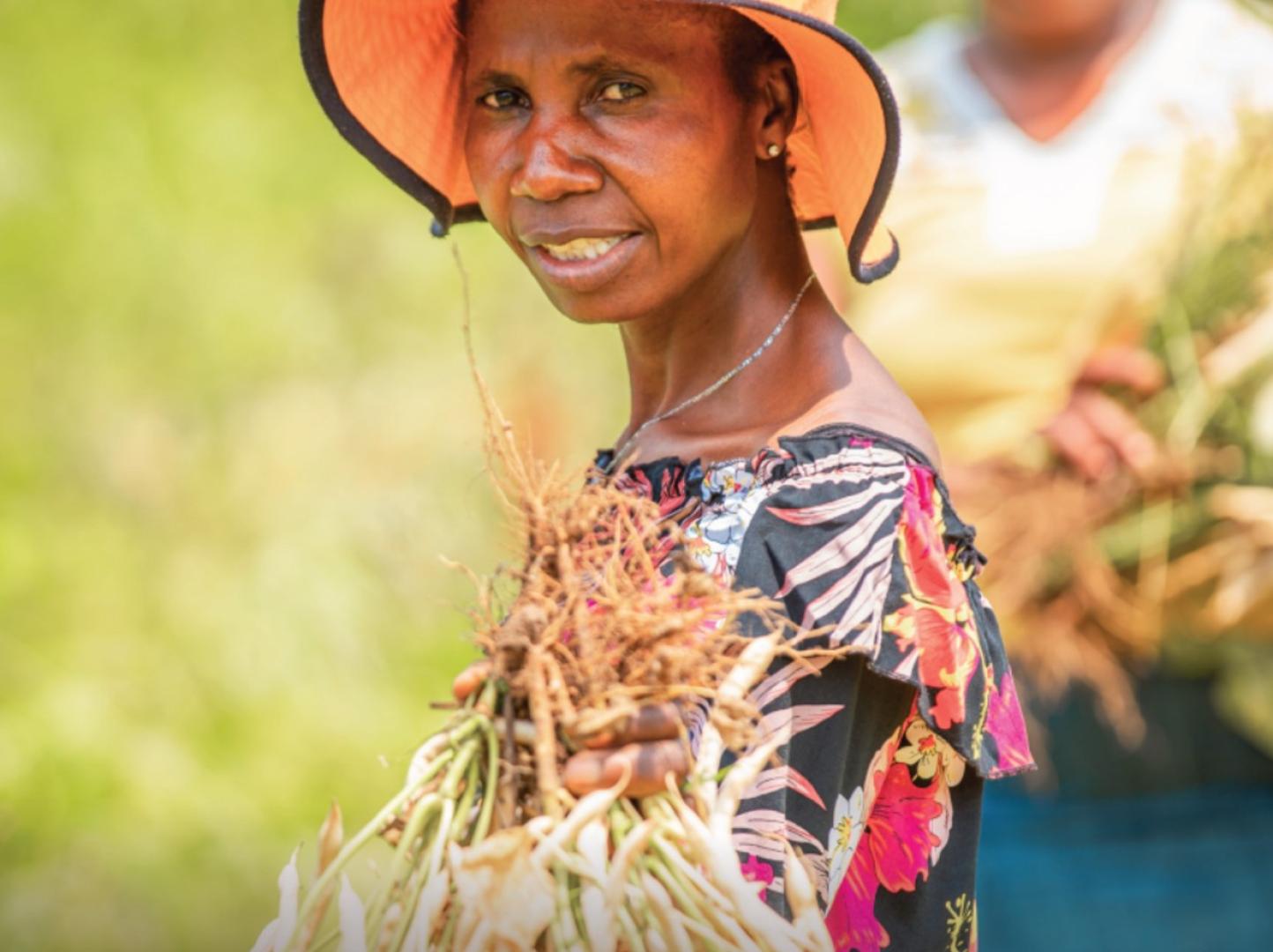
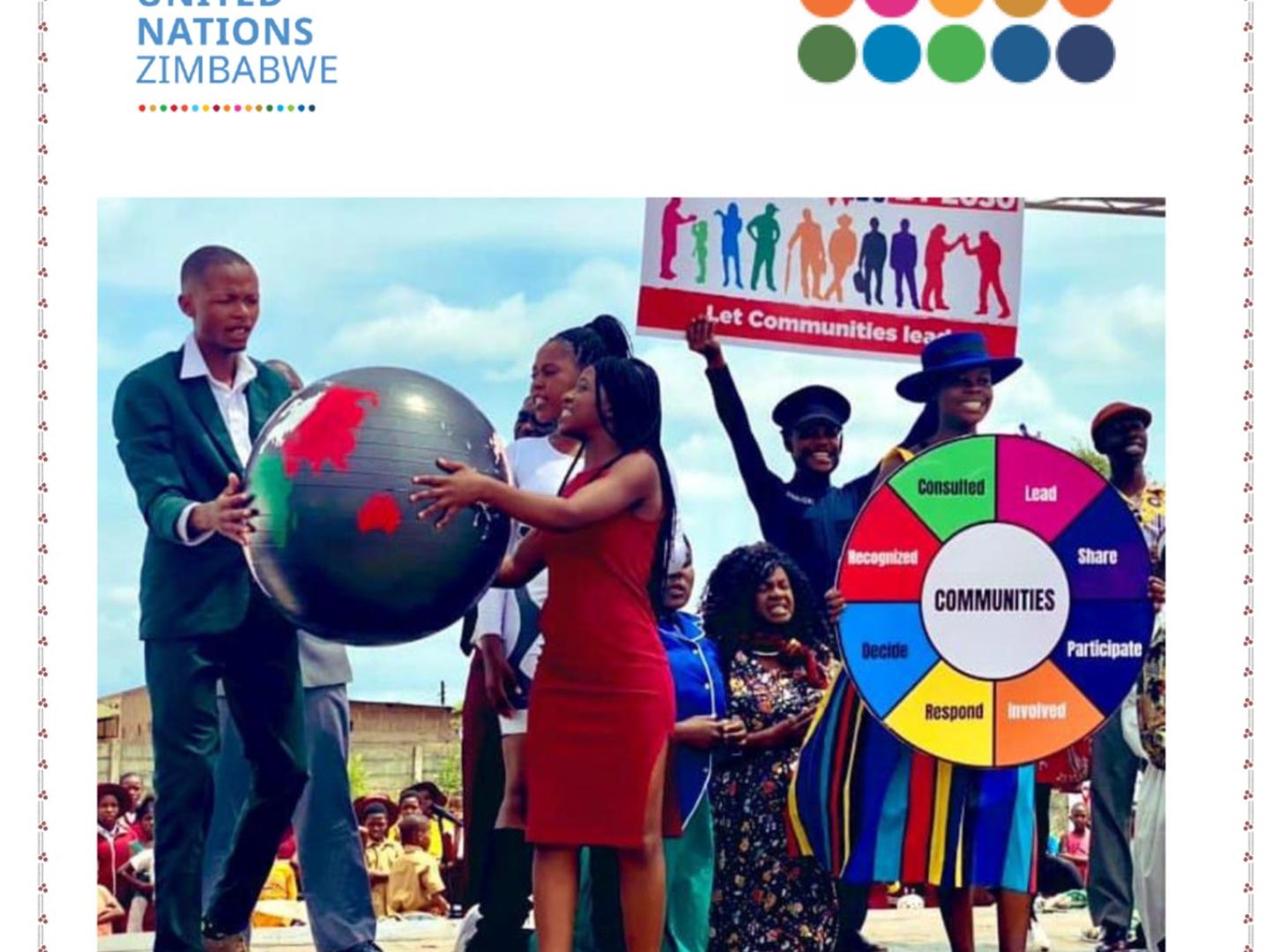

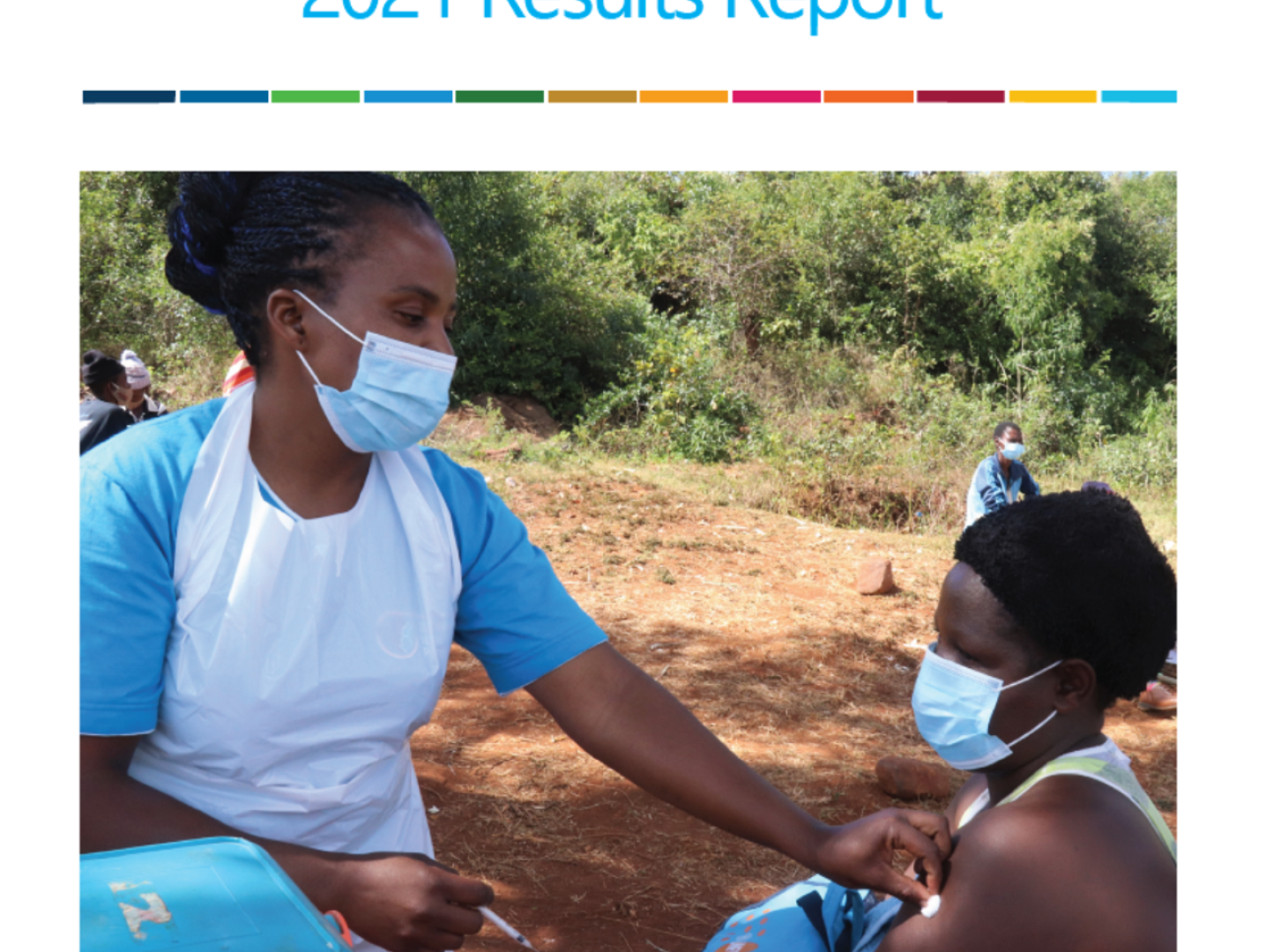

1 / 11
