The United Nations has operated in Zimbabwe since 1980 at the invitation of the Government of Zimbabwe. The UN in Zimbabwe works to support the Government of Zimbabwe in strengthening national capacities and resiliency to achieve inclusive economic growth and sustainable development.
Led by the UN Resident Coordinator, United Nations Country Team (UNCT) is the highest-level inter-agency coordination and decision-making body in Zimbabwe.The UN in Zimbabwe comprises 25 entities which are signatory to the 2016-2021 Zimbabwe United Nations Development Assistance Framework (ZUNDAF).
The ZUNDAF is the cornerstone of the UN system’s strategic programme framework to support the national development priorities and facilitate the achievement of the SDGs including promoting partnerships, human rights, and transforming lives.
Milestones
1
Food and nutrition security key priority areas for the Government of Zimbabwe to achieve zero hunger (SDG2).The United Nations in Zimbabwe support targets households in rural and urban areas to have improved food and nutrition security and supports communities to cope with climate change and build resilience.
2
Gender Equality Zimbabwe’s 2013 Constitution provides a strong legal framework for the promotion and attainment of gender equality and women’s empowerment. The UN support aims to address gender inequalities through ending violence against women and girls, women’s participation in decision making, and women’s economic empowerment, and mainstreaming gender in all other priority areas
3
Fast-tracking efforts to end the AIDS epidemic in Zimbabwe is possible by working together. The UN works to foster innovation, secure sustainable financing, strengthen health systems and communities, as well as ensure commodity security, promote human rights and gender equality, and ensure access to HIV prevention and treatment services.
4
Towards ending poverty and support value addition, the UN provides support to key institutions to formulate and implement socio-economic policies, strategies and programmes for improved livelihoods. In addition, the UN supports for an increased access to income and decent work opportunities in key value chains and economic sectors, particularly for young people and women.
5
In pursuit of a new trajectory of accelerated and inclusive economic recovery, growth and wealth creation, the UN in Zimbabwe supports key public sector institutions mobilize, manage and account for resources effectively for quality service delivery. Increased citizen participation in democratic processes in line with the provisions of the Constitution and relevant international norms and standards. The UN also supports Government and its partners generate and utilize data for development.
6
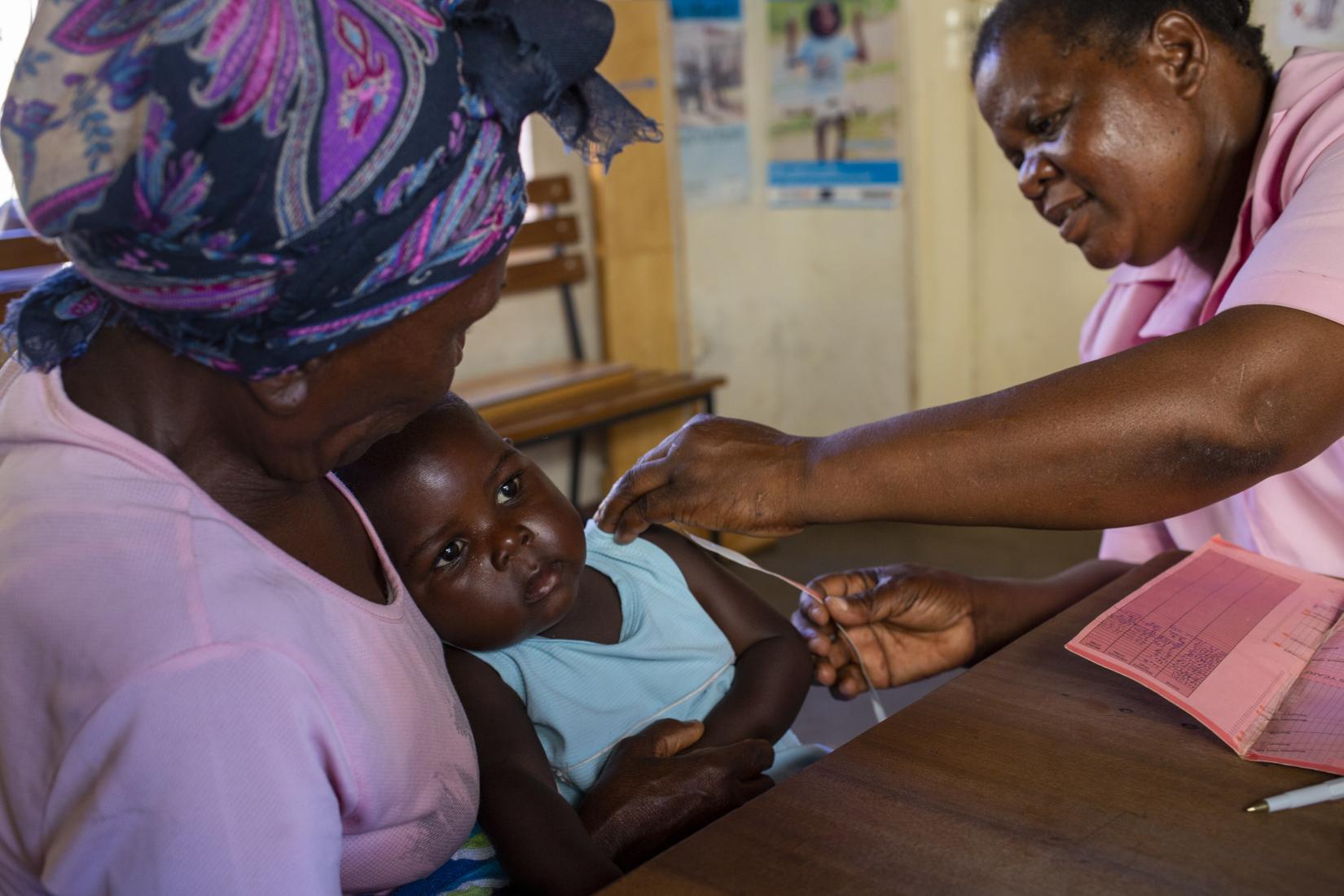
The UN supports Zimbabwe’s priority to ensure increased access to and utilisation of quality basic social services, supporting key institutions provide quality and equitable basic social services, and provision of improved access to and utilisation of social protection services to households living below the food poverty line.
1 / 6
The Sustainable Development Goals in Zimbabwe
The United Nations in Zimbabwe, through the 2022–2026 Zimbabwe UN Sustainable Development Cooperation Framework (ZUNSDCF), has been central to advancing the Sustainable Development Goals (SDGs) by closely aligning international support with the country’s own development priorities. As the primary instrument for supporting national strategies such as National Vision 2030 to become upper-middle-income society—and National Development Strategies 1 and 2 (NDS12021-2025 and NDS2 2026-2030), the ZUNSDCF has helped translate these ambitions into concrete SDG results on the ground.
In partnership with Government and Development Partners, the UN has localized the SDGs through local voluntary reviews and embedded six critical transitions—food systems, education, digital connectivity, energy access, jobs and social protection, and climate action—as SDG investment pathways at provincial and district levels. Support to national coordination mechanisms, including the SDG Steering Committee, has been complemented by stronger data and evidence systems, notably the development of 51 SDG-aligned indicators to guide and track implementation of the ZUNSDCF and national progress.
To enhance coherence, synergy and impact, the UN in Zimbabwe has deliberately shifted towards joint programming as the predominant mode of delivery. By 2025, joint programmes accounted for more than half of all UN support, strengthening government leadership and policy coherence across sectors. Over the first four years of the Cooperation Framework (2022–2025), the UN mobilized US$2 billion against a total requirement of US$2.8 billion, with 54.4% of this funding delivered through more than 10 joint programmes. Flagship joint initiatives driving SDG acceleration include the Health Resilience Fund, the SDG Renewable Energy Fund, the Global Partnership for Education, and the Joint UN Spotlight Initiative, followed by Sustaining the Gains.
These SDG-focused programmes are further underpinned by the UN Business Operations Strategy (BOS) 2022–2025, which has generated substantial efficiency gains through common back-office services. Between 2020 and 2025, the BOS achieved a cumulative cost avoidance of US$7.9 million—exceeding its target of US$7.2 million—and enhanced value for money across UN operations in Zimbabwe, enabling more resources to be directed towards achieving the SDGs.